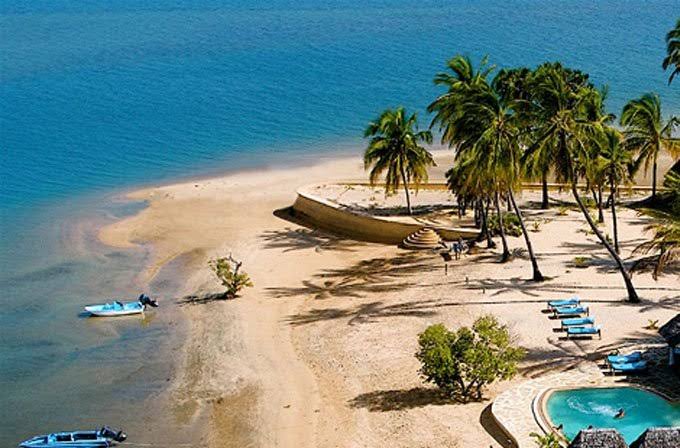
Lamu Old Town is the oldest living Swahili settlement in East Africa and a UNESCO World Heritage Site. There are no cars, no rush, and no modern intrusions. Narrow winding streets lined with carved wooden doors, traditional dhow boats in the harbor, and centuries of layered history create a destination unlike anywhere else in Kenya.
What Makes Lamu Special
Lamu has remained almost unchanged for over 400 years. The architectural style reflects a blend of Arab, Persian, Indian, and African influences accumulated through centuries of trade. The old town is a living museum where residents live and work in buildings that predate European colonization of East Africa.
- •No motorized vehicles are permitted in the old town. Transportation is by foot, bicycle, or traditional donkey cart.
- •Narrow streets were designed wide enough only for passage of camels and donkeys, creating a maze-like layout that protected residents from pirates and invaders.
- •Traditional Swahili architecture features carved wooden doorframes, brass-studded doors, flat roofs, and interior courtyards that catch ocean breezes.
The Streets and Neighborhoods
Wandering Lamu's streets is the primary activity. Each corner reveals carvings, brass plaques, antique shops selling Arab sea chests and copper vessels, and quiet courtyards. The streets feel genuinely historic, not restored for tourism. Local residents go about their daily lives alongside the scattered tourists.
The Lamu Museum provides context for what you observe. It houses artifacts from the island's history as a major Indian Ocean trading port and presents information about Swahili culture, architecture, and daily life.
The Harbor and Dhows
The waterfront is alive with traditional wooden dhow boats, many still used for fishing or cargo transport. The sight of white-sailed dhows silhouetted against sunsets has captivated visitors for centuries. Local boatmen offer dhow cruises that explore the island's coastline and nearby islets.
Cultural Traditions
- •Lamu hosts the annual Lamu Cultural Festival in November, featuring traditional music, dance, dhow races, and Swahili poetry.
- •The island maintains Swahili language, cuisine, and customs among its population.
- •Local handicrafts include traditionally woven baskets, carved wooden items, and inlaid furniture.
Getting Around and Staying
Most visitors fly from Nairobi to Lamu via domestic flights. From the airport, boats or motorized dhows transfer visitors to the island. The island has hotels and guesthouses ranging from budget to luxury. Small hotels like Majlis Hotel and mid-range options like Peponi Lamu and Manda Bay Resort offer comfortable stays with views of the old town or harbor.
Things to Do
- •Explore the old town maze on foot, discovering hidden courtyards, shops, and cafes.
- •Visit the Lamu Museum to learn about the island's maritime history and culture.
- •Take a traditional dhow cruise around the island.
- •Visit nearby Manda Island for beach time and snorkeling.
- •Watch the sunset from the waterfront cafe.
- •Attend local festivals and cultural events if visiting in November.
Lamu offers a Kenya experience completely different from safaris and beaches. It is history and culture alive and accessible, preserved in narrow streets and traditional ways. Believers Adventures can help you arrange flights, accommodation, and a guide who can introduce you to local residents and share the true Lamu experience.